
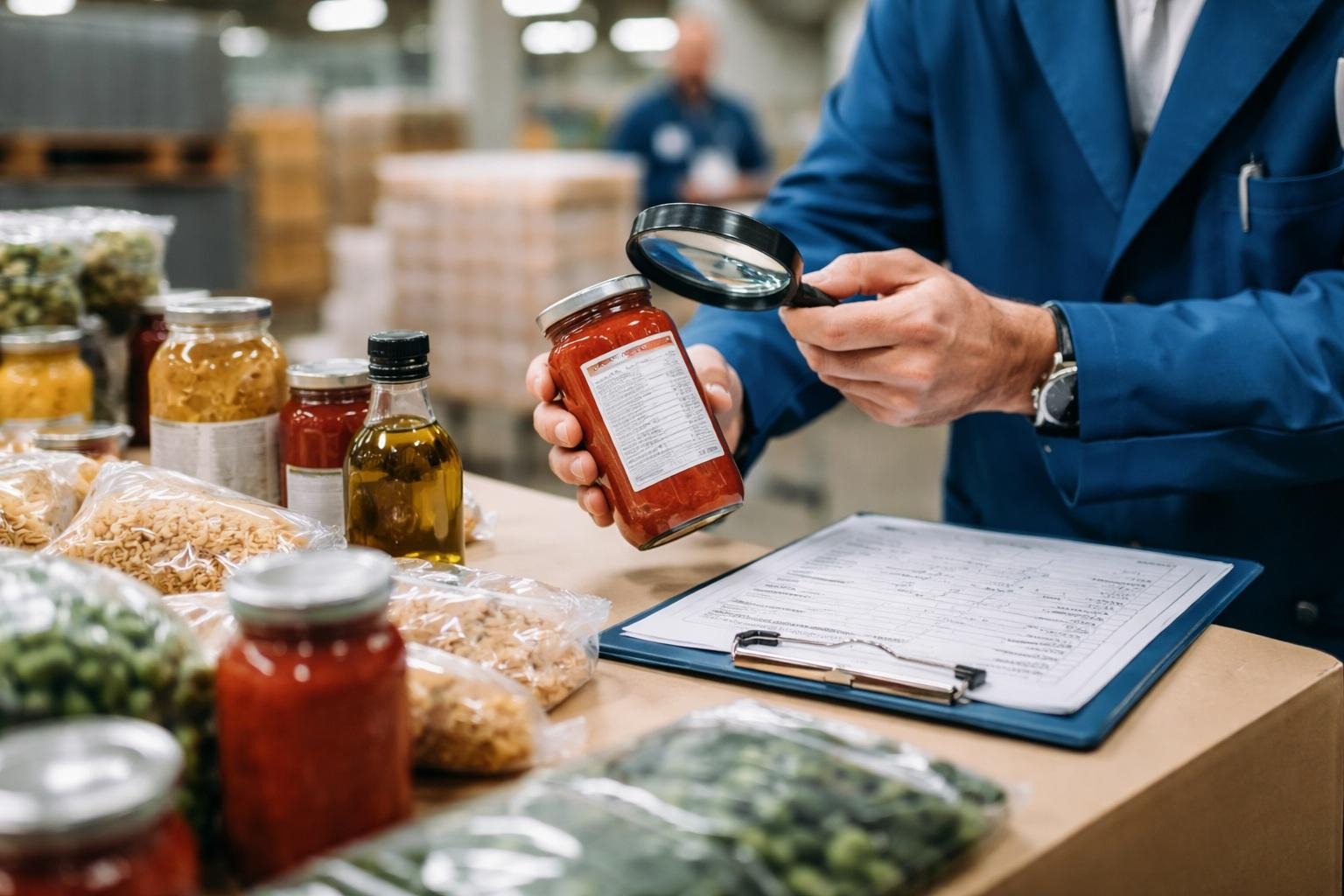
Food Fraud Prevention in Dubai, UAE: Protecting Your Food Business from Hidden Risks
The UAE’s food industry relies on a global supply chain to meet the growing demand for diverse, high-quality food products. Dubai, as the region’s leading trade and hospitality hub, imports food from markets around the world. While international sourcing provides businesses with greater variety and flexibility, it also increases the risk of food fraud.
Food fraud is a growing concern worldwide. It can affect product quality, consumer trust, brand reputation, and even public health. For restaurants, catering companies, food manufacturers, importers, and retailers in Dubai, food fraud prevention is no longer optional—it is an essential part of responsible food business management.
In this article, we explore what food fraud is, why it matters for businesses in Dubai and across the UAE, and the practical steps you can take to reduce the risk as part of a wider Food Safety Management System (FSMS).
What is Food Fraud?
Food fraud refers to the deliberate substitution, alteration, misrepresentation, or adulteration of food products for economic gain. Unlike accidental mistakes, food fraud is intentional and is usually carried out to reduce costs or increase profits.
Examples include:
• Selling lower-quality ingredients as premium products.
• Diluting olive oil with cheaper oils.
• Mislabeling seafood species.
• Selling counterfeit branded food products.
• Incorrect country-of-origin claims.
• Adding unauthorized ingredients to increase weight or volume.
Even when food fraud does not immediately cause illness, it can mislead consumers and damage confidence in the food industry.
Why Food Fraud is Becoming a Global Challenge
Modern food supply chains are more complex than ever. Ingredients often pass through multiple suppliers, distributors, and processing facilities before reaching consumers.
This complexity makes it harder to detect fraudulent practices.
Businesses that lack strong supplier verification and traceability systems may unknowingly purchase products that have been altered, substituted, or falsely labeled.
Why Food Businesses in Dubai Should Be Concerned
Dubai and the wider UAE import a significant portion of their food from international markets. This creates opportunities for food businesses but also increases the importance of supplier management and product verification.
Food fraud can result in:
• Financial losses
• Product recalls
• Loss of customer confidence
• Legal and regulatory issues
• Damage to brand reputation
• Disruption of business operations
A proactive approach helps Dubai-based food businesses reduce these risks while maintaining consistent product quality.
Common Types of Food Fraud
Ingredient Substitution
Replacing an expensive ingredient with a cheaper alternative without informing customers.
Example: Premium honey mixed with sugar syrup.
Mislabeling
Providing false or misleading information about a food product.
Examples include:
• Incorrect origin
• Wrong production method
• False organic claims
Counterfeit Products
Selling fake products using another company’s brand name or packaging.
Counterfeit food products can damage consumer trust and create safety concerns.
Dilution
Mixing valuable food products with lower-cost ingredients.
Examples include:
• Fruit juice mixed with water
• Milk diluted with water
• Olive oil blended with cheaper oils
How Food Fraud Impacts Businesses
Food fraud affects more than just profits.
It can also lead to:
• Reduced customer loyalty
• Negative publicity
• Increased inspection scrutiny
• Higher operational costs
• Contractual disputes
• Supply chain disruptions
Businesses with strong food safety systems are better equipped to identify suspicious activities early.
Practical Strategies to Prevent Food Fraud
1. Verify Suppliers Carefully
Work only with reputable suppliers.
Before approving a supplier:
• Review certifications.
• Evaluate food safety practices.
• Request supporting documentation.
• Conduct supplier assessments where appropriate.
2. Strengthen Product Traceability
Maintain accurate records of:
• Suppliers
• Batch numbers
• Delivery dates
• Storage conditions
• Distribution records
Good traceability makes it easier to investigate quality concerns and respond quickly if problems arise.
3. Conduct Food Fraud Risk Assessments
Not all ingredients carry the same level of risk.
Consider factors such as:
• Product value
• Supply shortages
• Seasonal demand
• Country of origin
• Historical fraud incidents
A risk-based approach allows businesses to focus resources where they are needed most — the same principle used in HACCP hazard analysis.
4. Train Employees
Employees should understand:
• Warning signs of food fraud
• Supplier verification procedures
• Documentation requirements
• Reporting processes
Training helps create awareness throughout the organization.
5. Maintain Strong Documentation
Keep records of:
• Supplier approvals
• Purchase specifications
• Certificates of analysis
• Inspection reports
• Internal audit findings
Good documentation improves accountability and supports effective decision-making.
Technology Can Help Reduce Food Fraud
Many businesses now use digital solutions to improve supply chain transparency.
Examples include:
• QR code tracking
• Barcode systems
• Digital inventory management
• Electronic supplier records
• Blockchain-based traceability (where applicable)
These technologies make it easier to verify product information and identify inconsistencies.
Building a Food Fraud Prevention Culture
Preventing food fraud is not just the responsibility of the quality department.
Every employee involved in purchasing, receiving, storing, processing, and distributing food has a role to play.
Businesses should encourage:
• Ethical sourcing
• Open communication
• Regular internal reviews
• Continuous improvement
• Management commitment
A culture of transparency strengthens both food safety and business resilience.
Conclusion
Food fraud is an evolving challenge that requires proactive management. By strengthening supplier verification, improving traceability, conducting risk assessments, and educating employees, food businesses in Dubai can better protect their products, customers, and reputation.
Investing in food fraud prevention is not only a safeguard against financial and operational risks—it is also a commitment to quality, integrity, and consumer trust. As the Dubai and UAE food industry continues to grow, businesses that prioritize authenticity and transparency will be better positioned for long-term success.
Want to strengthen your food fraud prevention and food safety systems? Explore our HACCP training, PIC certification courses, and Food Safety Management System (FSMS) training in Dubai. Contact Al Maerifah today for a food fraud risk assessment and build a fully compliant, audit-ready food safety program for your business.